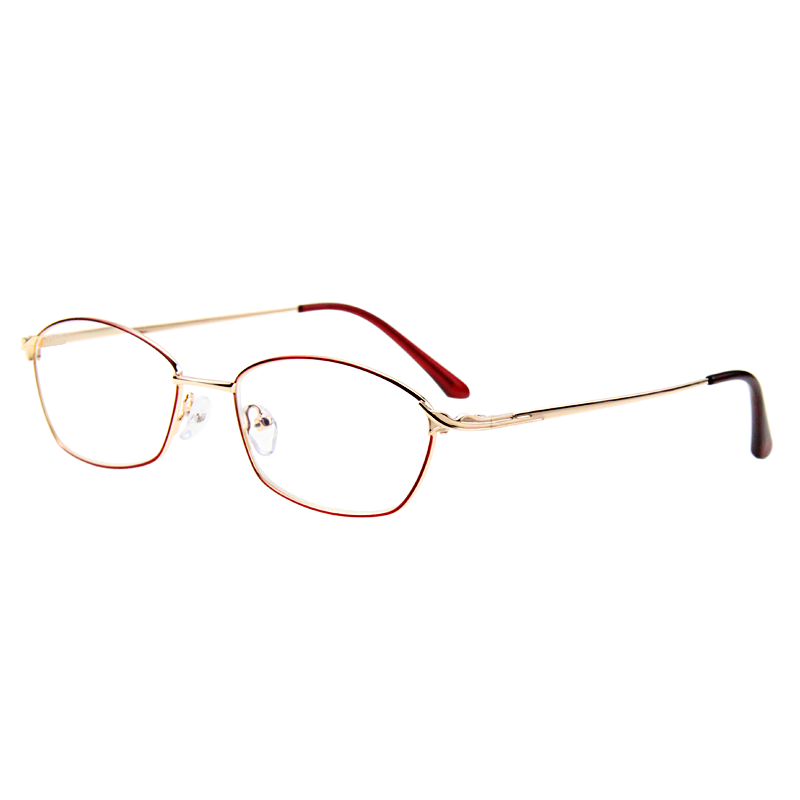
We all know the drill. You hit your mid-forties and suddenly the menu at a dimly lit restaurant looks like ancient script. I needed help. I needed readers, and since I spend 10 hours a day glued to a screen, I definitely needed those fancy blue light blockers.
I thought buying glasses online would be easy. The ads promise great style, low prices, and perfect prescriptions delivered right to your door. I decided to dive in headfirst. I was excited to save money.
My first attempts at online shopping were disastrous. They looked great in the box. They looked terrible on my face. Worse, they made my eyes hurt.
I placed an order for two pairs. Both were supposed to be the same strength. They weren't. One was blurry at the top. The other gave me instant vertigo. I called customer service. This is where the headache truly started.
They offered me a "deal." Instead of a refund, they offered 110% store credit. That sounded good, right? A bonus 10% just for being flexible! I took the credit.
But here is the catch: They never told me that store credit is non-refundable. If the next pair was wrong, I was stuck. And guess what? The next pair was also wrong. And the next one after that.
I wasted weeks sending glasses back and forth. The representative kept apologizing. They asked for my order number over and over. I explained that three pairs had failed. I was out $200 and had nothing I could wear. Eventually, I had to take the nice frames I liked to a local optician. I paid another $200 just to get lenses that actually worked put inside the frames.
The local expert explained the terrible truth. The cheap lenses I had received online did not match my prescription at all. They were just bad glass. I learned the hard way that saving $50 up front costs you $400 in the long run. The quality of the lens matters more than the frame.
Verdict: Never trust the "110% store credit" deal. If they mess up the prescription, demand a full cash refund immediately. If they refuse, cut your losses and go elsewhere.
My partner had an even worse time. He needed progressives. Progressives are complex. They need three zones on one lens: reading, computer, and distance.
He found a store with great in-person service. The staff were friendly and helpful. They walked him through the whole process. They even had a great mission to donate glasses to those in need. But the actual lenses they delivered were terrible.
The prescription was wrong on the first try. They fixed it, but the delay cost him his vision benefits for the year. When the correct pair finally arrived, the progressives were unusable. The viewing area for reading was tiny. He had to constantly move his head up and down and side to side just to read one computer screen. His neck was constantly sore.
He tried for a month. He just couldn't use them. He realized they were cheap progressives. High-quality progressives offer a much wider, clearer field of view. The cheap ones force you to fight the lens.
He spent over $500. He ended up throwing them in a drawer. When he tried to put a simple reading prescription in the frames later, they refused. They said the frames were no longer a style they carried. So, $550 wasted on glasses he couldn't wear.
Action Step: If you need progressive lenses, avoid cheap online stores. Pay for quality lenses from a reputable shop. The difference between a $500 lens and a $200 lens is your neck comfort and eye health.